
Online Stud Finder: Is There One That Works in a Browser?
Looking for an online stud finder with no download? Why a web page can't read your phone's sensor, what those sites do, and the fastest free options.

Looking for an online stud finder with no download? Why a web page can't read your phone's sensor, what those sites do, and the fastest free options.
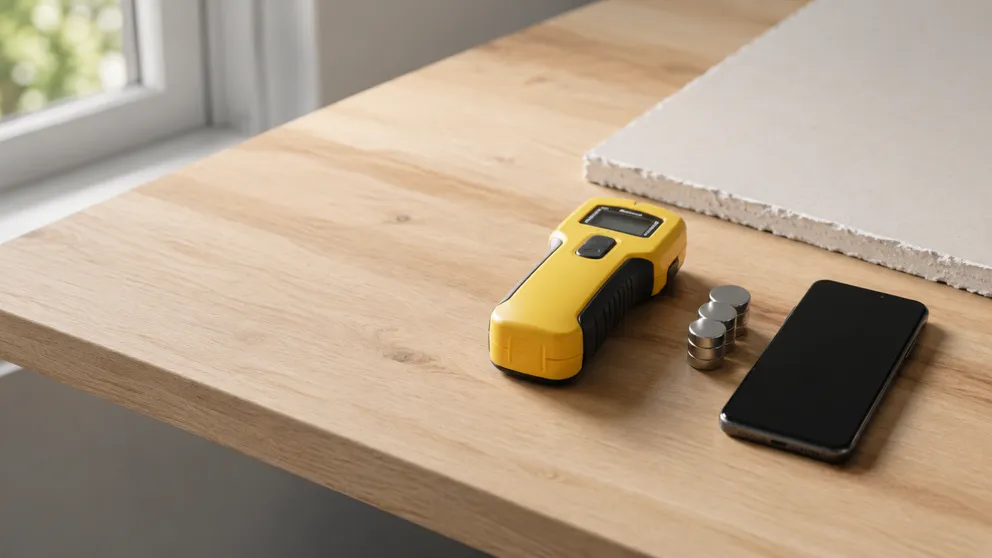
What is a stud finder used for, and do you need one? Plain answers on the tool that finds framing behind drywall — and the free-to-try one in your pocket.
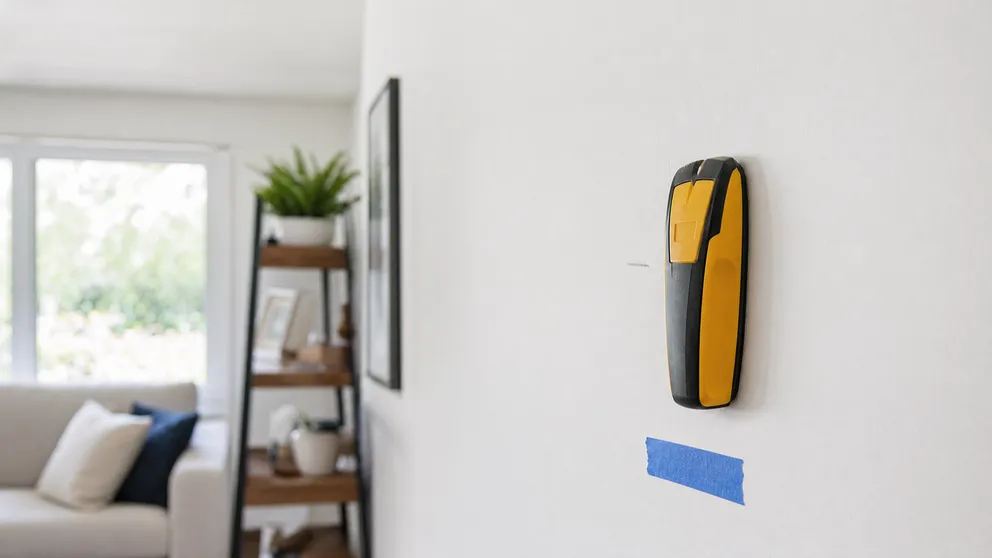
A magnetic stud finder is a strong magnet that grabs the screws in your wall studs. How to use it, when it beats electronic finders, and when it fails.
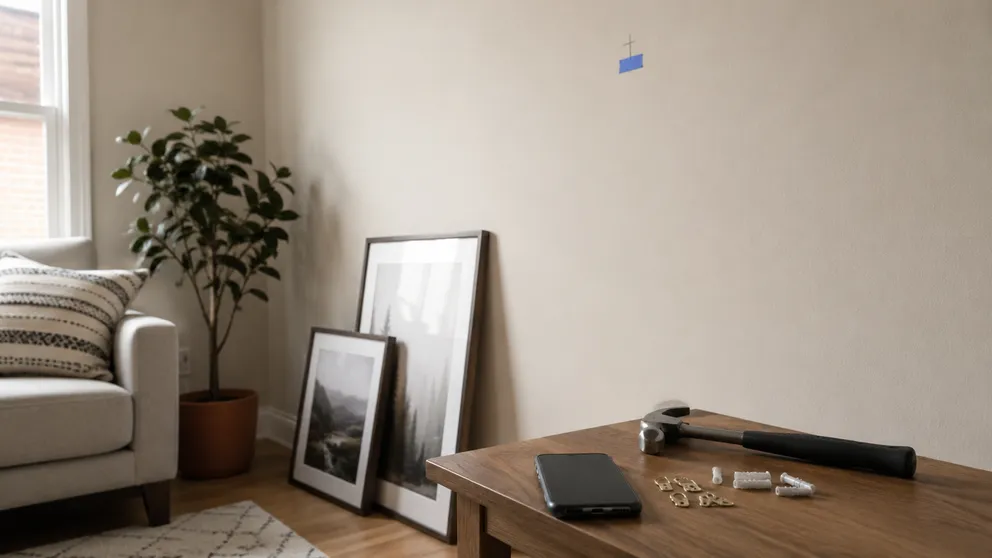
How much weight can drywall hold without a stud? Enough for most pictures — but shelves play by different physics. Where the line really sits, and why.

Will a stud finder work through tile? Magnets and magnetometer apps do; capacitive finders mostly don't. How to find studs behind tile — and when to cheat.

Do stud finder apps work on metal studs? Yes — steel studs are magnetic end to end. How to find and center one, and the mounting mistake to avoid.
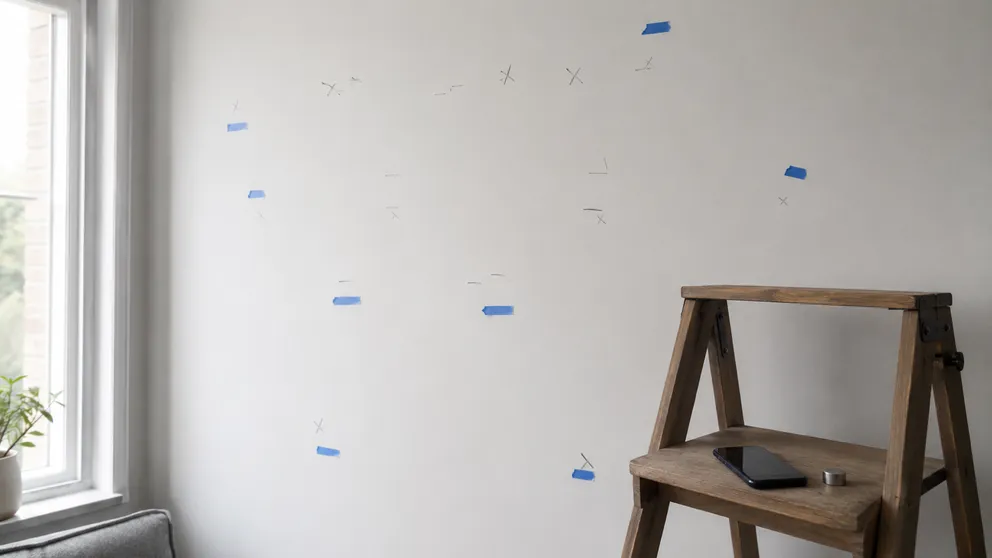
Stud finder not working? Seven wall types and mistakes that hide studs — plaster, metal framing, glued board — and the test that settles it in minutes.
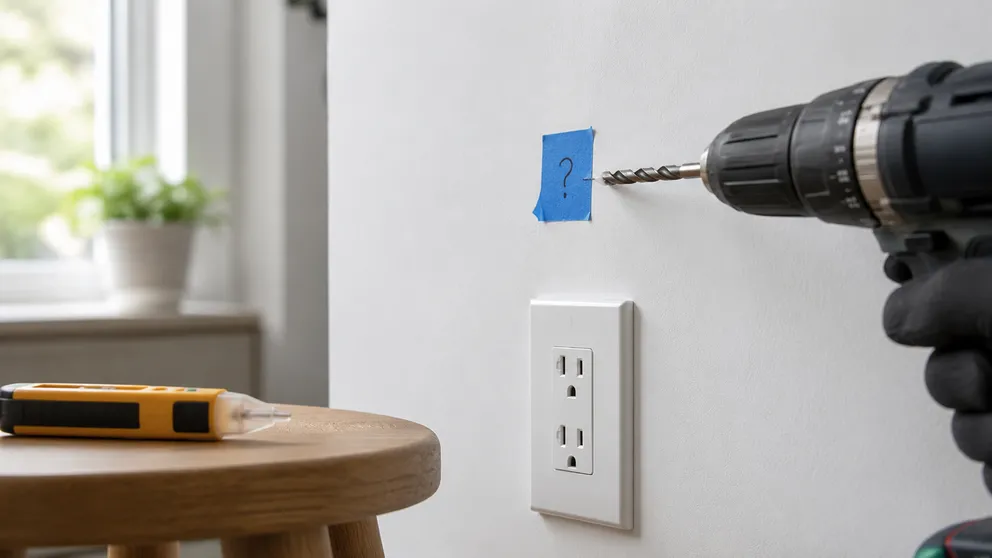
How to know where not to drill: outlet zones, wet-wall pipes, and a stud-first workflow that keeps your bit off live wires. Check before you drill.
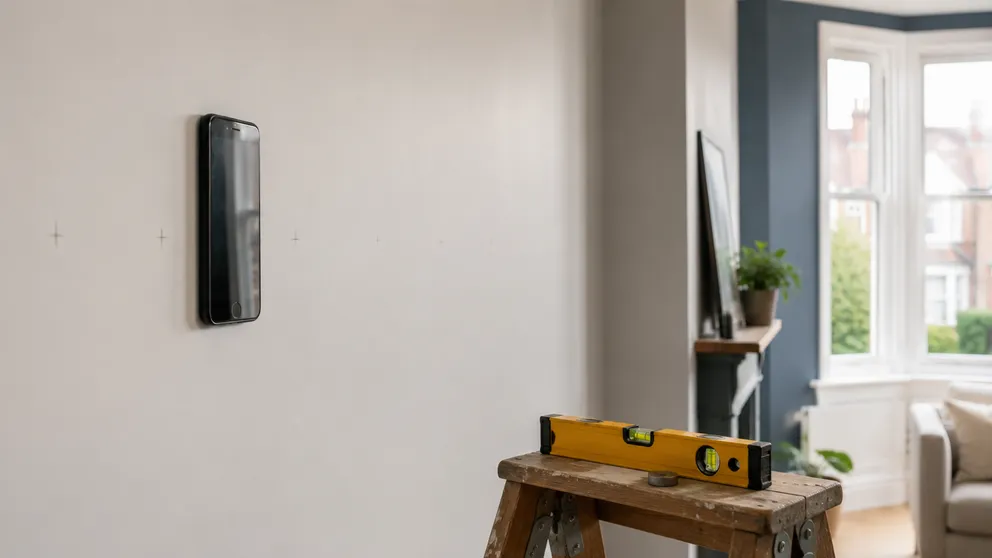
Find timber behind plasterboard with your phone, a magnet, or a stud wall finder — and how to spot a dot and dab wall before you drill into nothing.
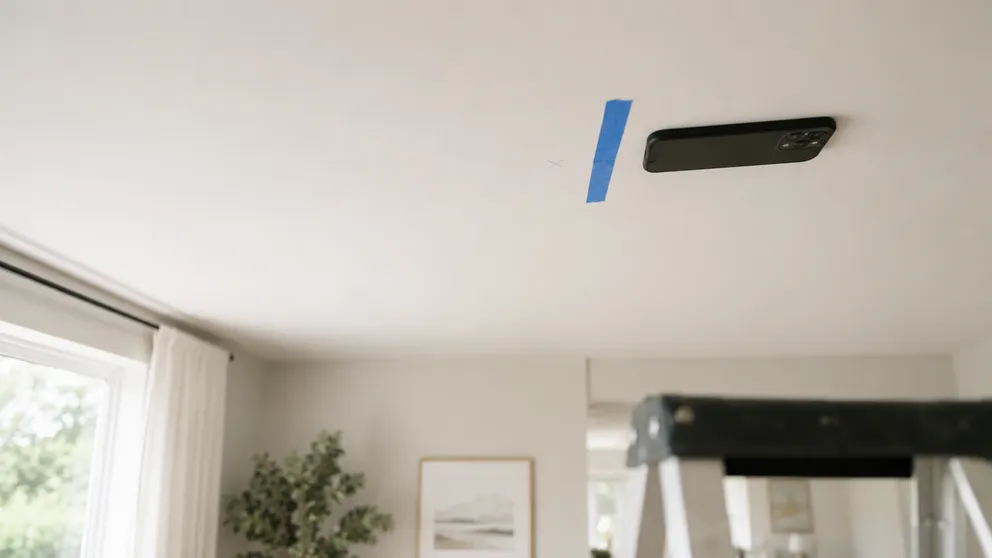
Find ceiling joists with a phone app, magnet or tape measure. Joists run 16 or 24 inches on center — and a ceiling joist finder is already in your pocket.
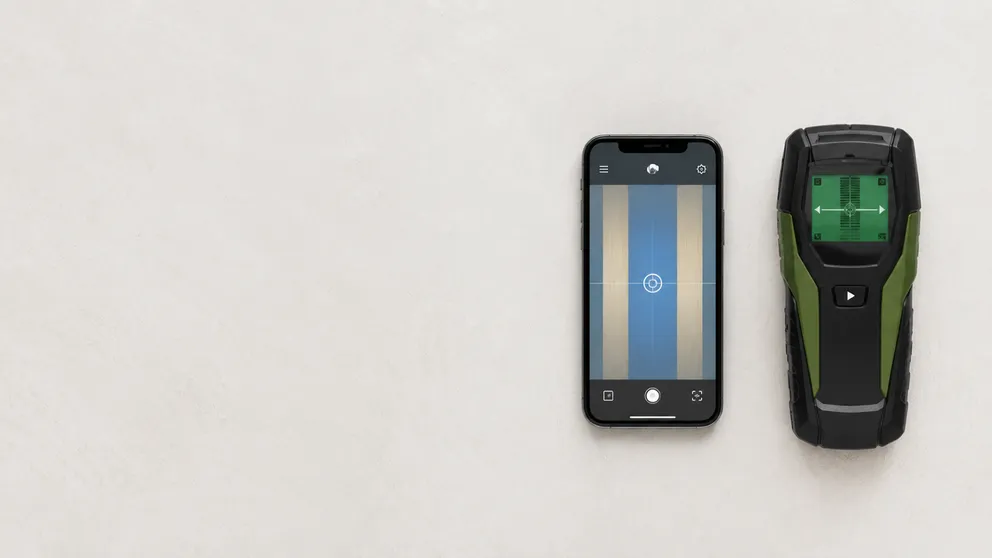
Stud finder app vs Walabot: one is free to try on your phone, the other a paid imager that sees pipes and wires. What each finds, and which fits your job.
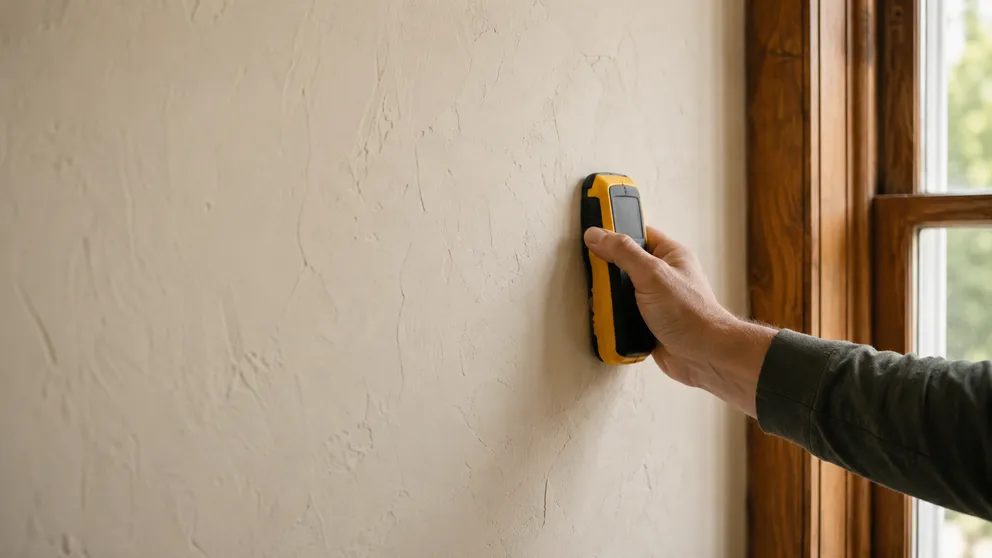
Plaster-and-lath walls defeat most stud finders, apps included. Why plaster is so hard, what actually finds studs behind it, and what to do if yours can't.
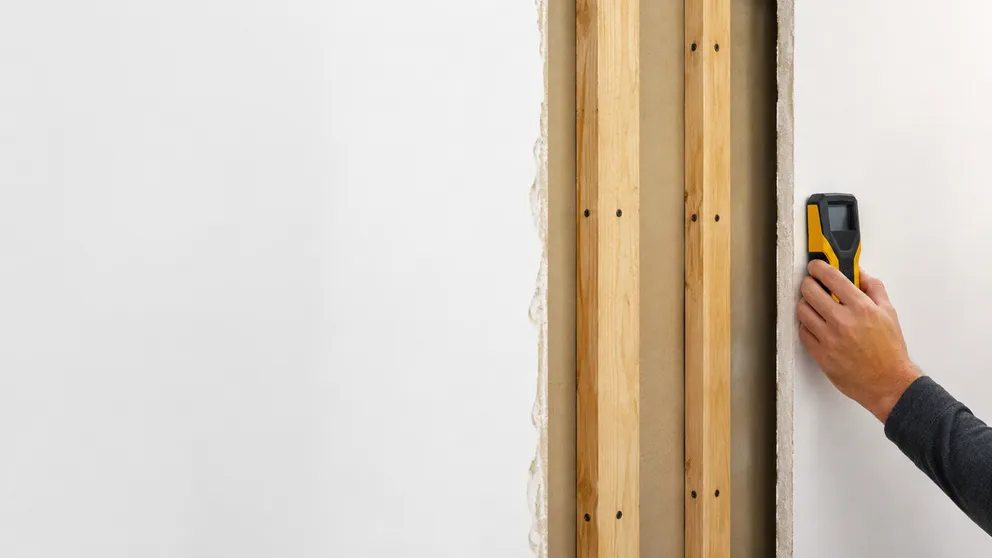
Magnetic, capacitive, radar and your phone's magnetometer each read a different signal behind the wall. Which one to trust on your wall, and a quick test.

Do you need a stud finder to mount a TV? For most flat-screens, yes. Find studs with a finder, a phone app or the outlet trick — and when anchors work.

How to use a stud finder the right way: calibrate, sweep, verify. Steps for electronic, magnetic and phone-app finders, plus the mistakes that miss studs.

The best stud finder depends on your wall and budget. A 2026 rundown of magnetic, electronic, multi-sensor and radar finders — plus a free-to-try app.
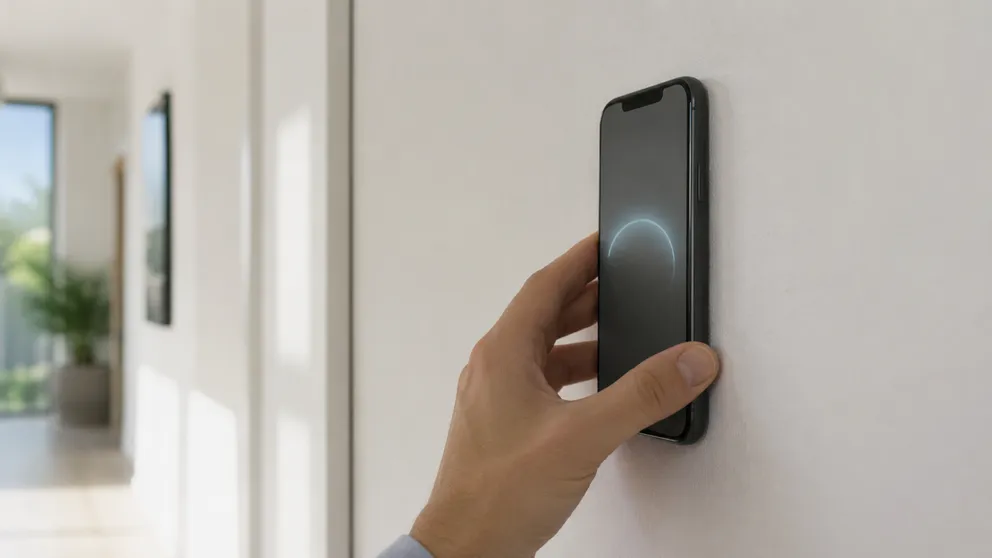
A stud finder phone app uses your phone's magnetometer to find the screws holding drywall to studs. Which phones work, iPhone vs Android, scanning tips.

A wood stud finder app reads the metal fasteners in wood framing, not the wood itself. Why that suits a phone app for wood studs — and where it doesn't.
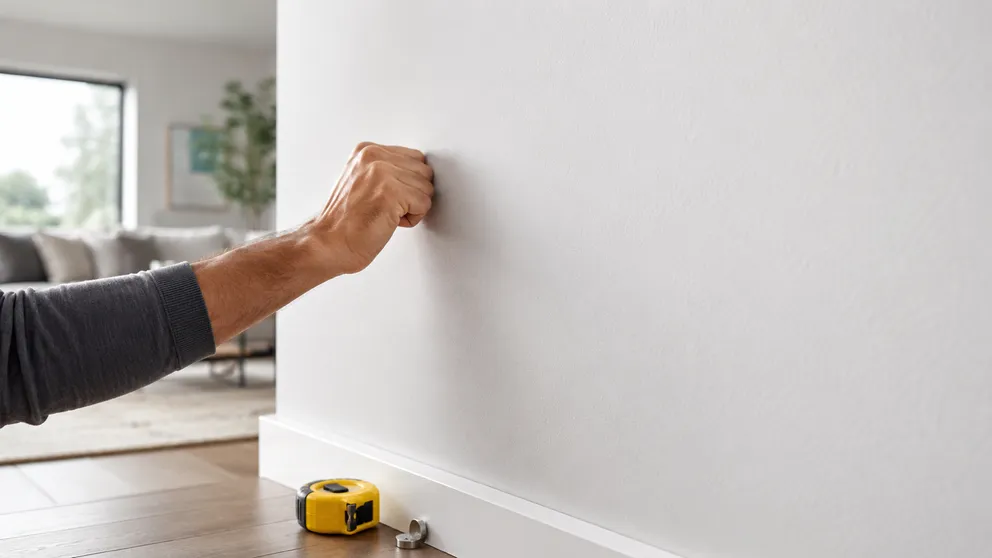
Seven real ways to find a wall stud without a stud finder — knock test, outlets, magnets and the sensor already in your phone. What works and what doesn't.
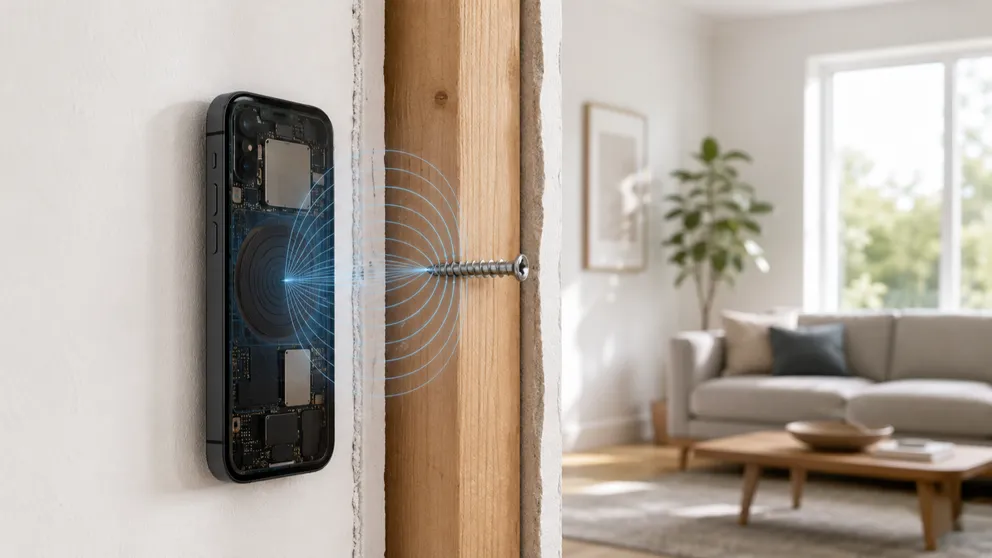
What happens when a stud finder app detects a wall stud? The sensor, the signal and the physics behind the iPhone stud finder, explained in plain terms.
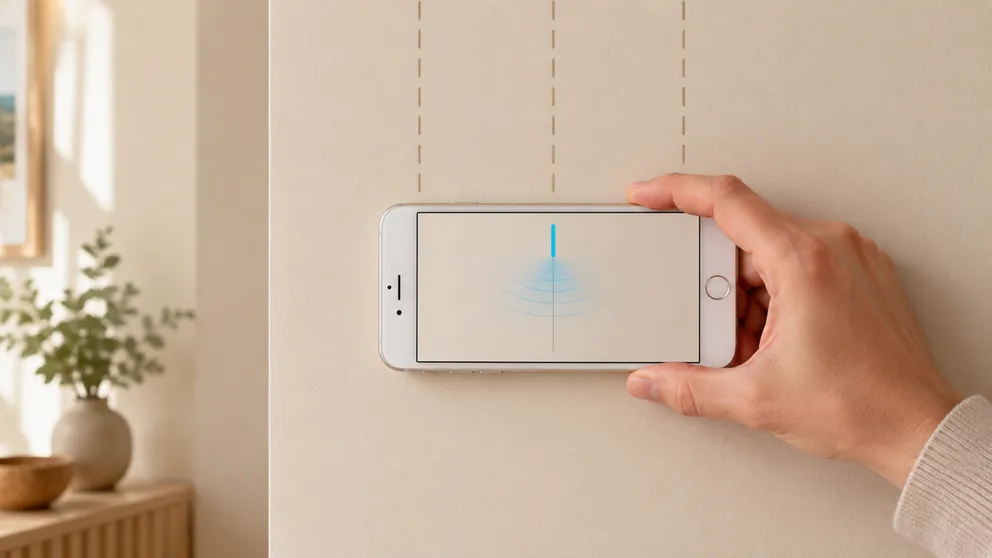
Your iPhone has a magnetometer built in — the same sensor a stud finder app reads. Here's how to find a stud with just your phone, step by step.
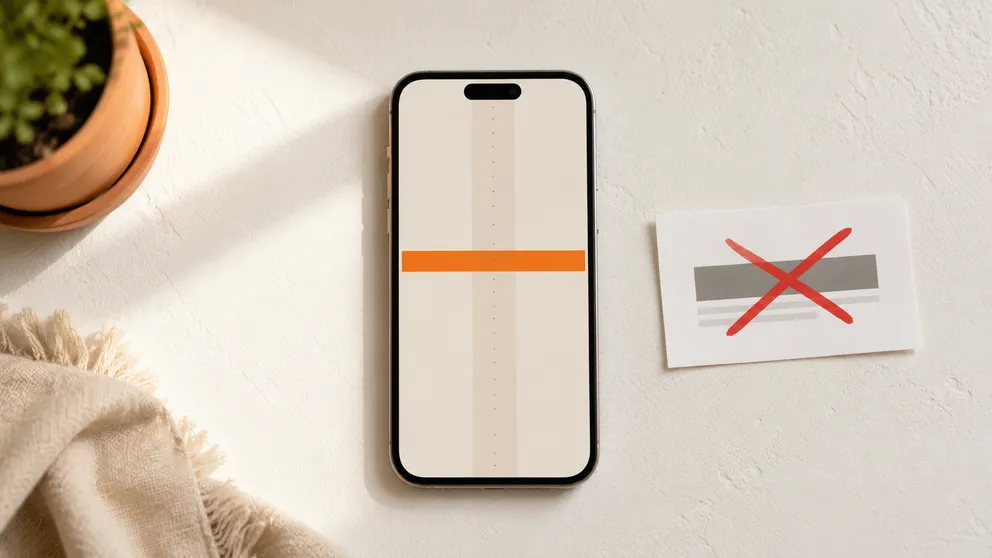
Most stud finder apps push ads, fake scans or sketchy permissions. Stud Finder is ad-free, private and free to try on iPhone and Android. How to tell.
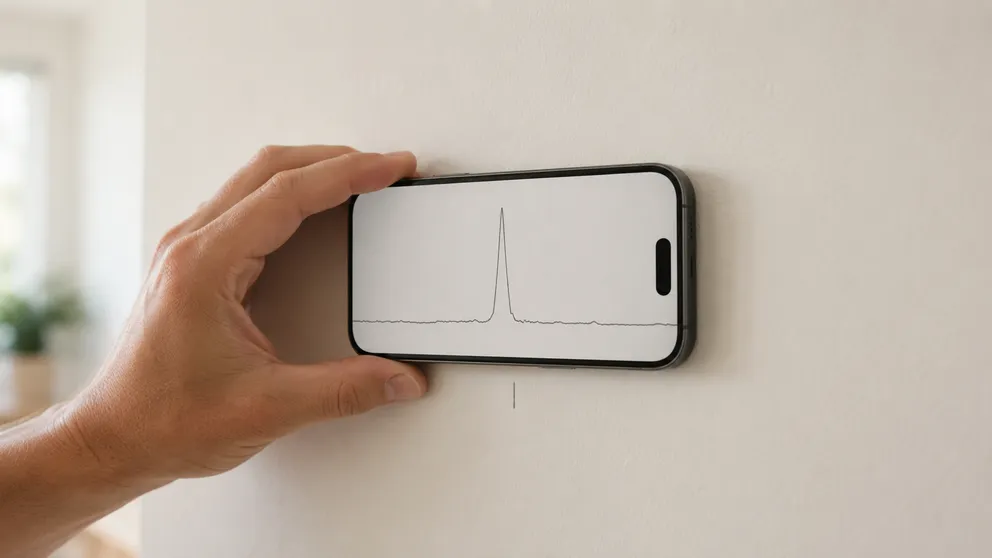
Yes — stud finder apps work on standard drywall and locate studs to about an inch. How accurate they really are, where they fail, and how to verify first.

How to use a stud finder app on iPhone: hold still while it calibrates, sweep flat across the wall, and look for vertical lines of magnetic spikes.

Yes, there's a stud finder app for iPhone that uses your phone's magnetometer to find wall studs — no extra hardware, no batteries, no calibration.

A free-to-try app that finds wall studs on iPhone and Android with the magnetometer — through drywall, no hardware, ad-free, accurate to about an inch.